
Dealing with persistent drain problems can be frustrating. A sewer line belly forms when a section of underground piping sags, creating a low spot where water and waste collect rather than flowing smoothly. Does a sewer line belly need to be replaced?
If you’re experiencing frequent backups or slow drainage, trenchless sewer line repair might be the solution you need. Our plumbing experts explain when a belly needs to be replaced.
What Causes a Sewer Line Belly?
Several factors contribute to sagging underground sewer pipes beneath your property. Soil erosion and settling can create voids that allow pipes to drop over time. Poor installation, without proper support or an incorrect slope during initial construction, often leads to these issues.
Tree root intrusion and ground shifting from temperature changes are also problematic and can weaken pipe stability, leading to sections that dip and form bellies.
How Do You Know if You Have a Belly?
Recognizing the signs early helps prevent extensive damage. Watch for these warnings:
- Recurring clogs: If you’re constantly dealing with backups despite regular cleaning, a belly might be trapping debris.
- Slow drainage: Water that drains more slowly than usual from multiple fixtures suggests a flow obstruction.
- Foul odors: Standing sewage in low spots releases unpleasant smells that linger around your property.
- Wet patches in your yard: Pooling water or unusually green grass indicate potential leakage from sagging pipes.
A professional camera inspection from an experienced plumber reveals the exact location and severity of any low spots in sewer lines.
When Is Replacement Necessary?
Does a sewer line belly need to be replaced? Not necessarily.
Plumbers may correct minor sags less than two feet long through drainage pipe slope correction techniques. Meanwhile, severely damaged bellies that cause frequent backups typically require replacement to restore proper function. The age and material of your pipes matter, too, as older types of sewer pipes, such as clay or cast iron, are more prone to failure.
Repair Options Available for Sewer Line Bellies
Does a sewer line belly need to be replaced, or can you manage the issue? Sewer line belly repair depends on the extent of damage.
Hydro-jetting for sewer maintenance can temporarily clear accumulated debris from minor bellies, but it does not correct the underlying slope issue. Trenchless pipe lining can restore the structural integrity of damaged pipes and prevent leaks, but it follows the existing pipe alignment and does not eliminate a belly.
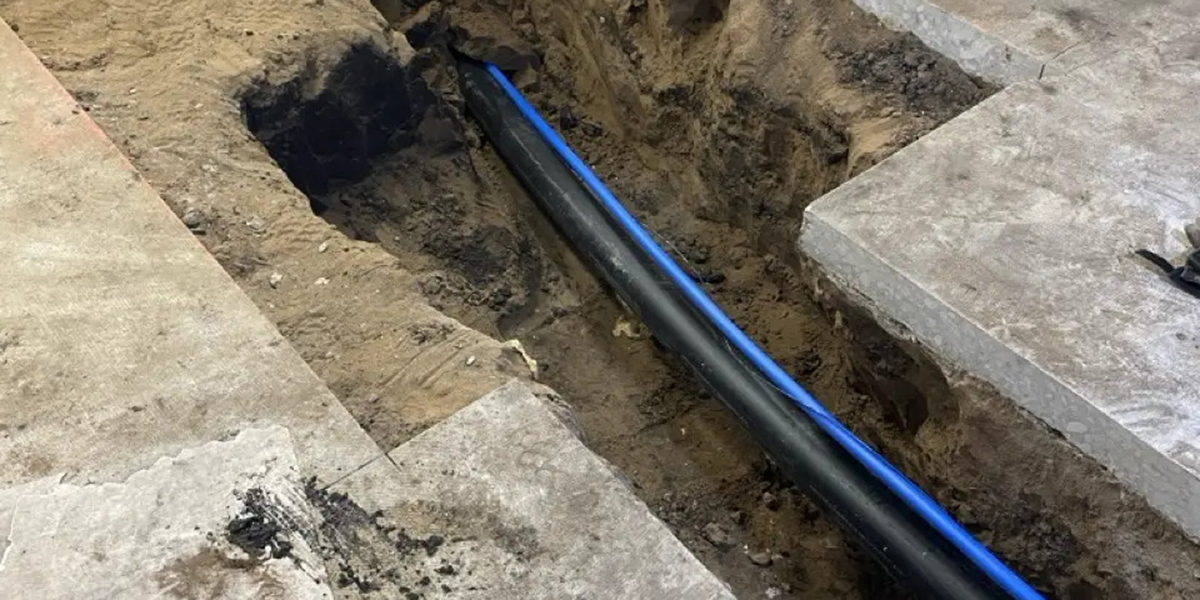
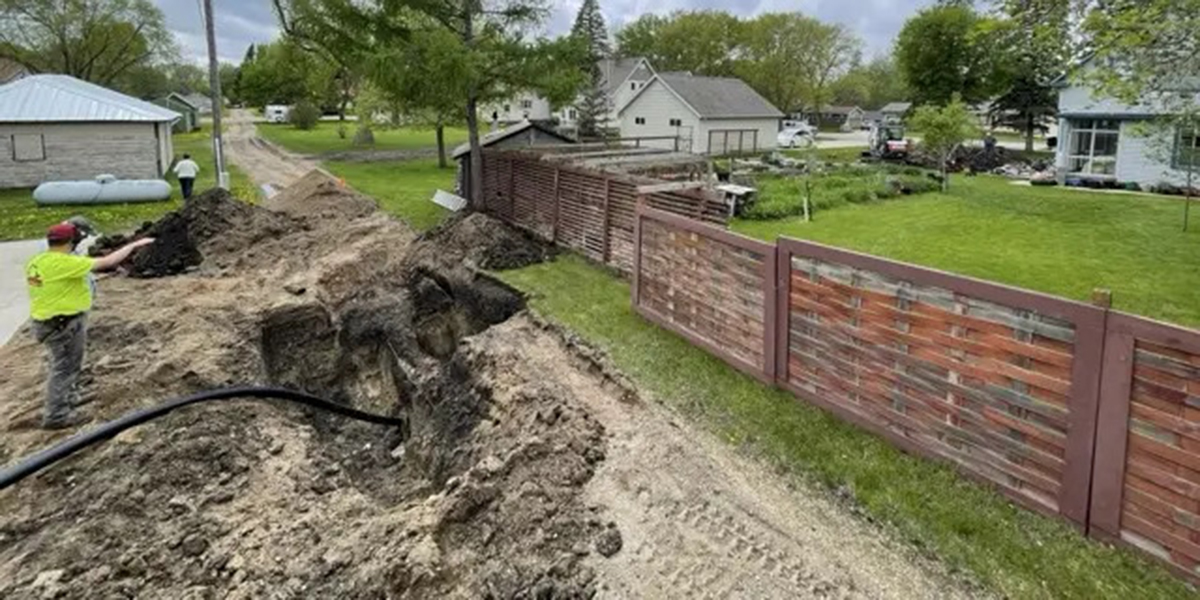
For severe sewer bellies, excavation and replacement remain the most reliable solution. This method allows plumbers to regrade the trench and install new piping at the proper slope.
Red Rock Trenchless Provides Expert Solutions
Understanding whether a sewer line belly needs replacement depends on several factors, including the severity and frequency of problems. At Red Rock Trenchless, we evaluate each situation individually to recommend the most cost-effective solution. Our team specializes in advanced trenchless technology that minimizes disruption to your Hoffman property while effectively addressing sewer line issues.
If you’re wondering, “Does a sewer line belly need to be replaced?” call Red Rock Trenchless at (320) 335-8158 today for a professional inspection in Hoffman, MN.
Related Posts



Get A Quote Today
"*" indicates required fields